
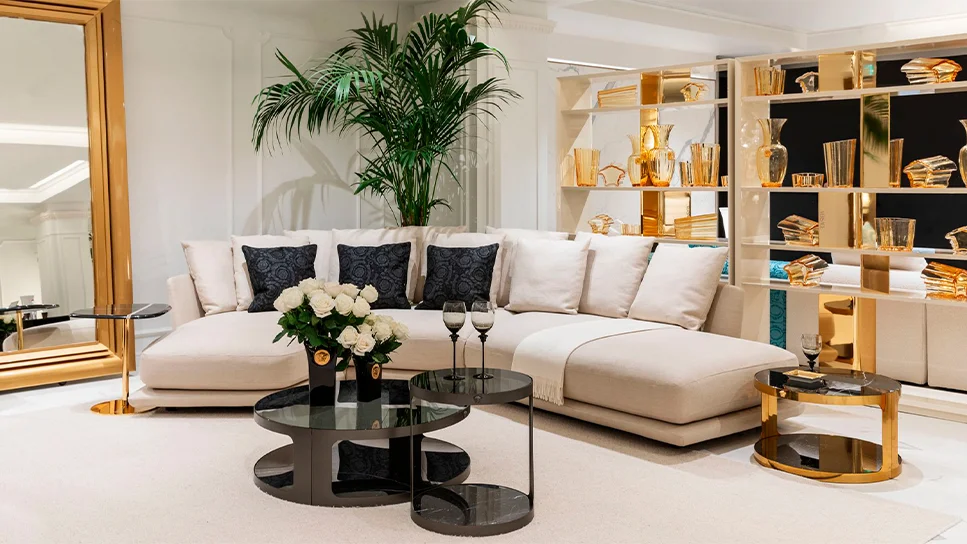
Italian luxury furniture exemplifies a harmonious blend of contemporary elegance and functionality, offering exclusive furnishings that enhance both aesthetics and comfort. Commanding nearly half of global production, Italy’s luxury furniture market is set for steady growth, driven by demand for high-end design, sustainability, and timeless craftsmanship.
Market overview
Italy stands as a global leader in luxury furniture production, accounting for approximately 40-50% of the world’s output. The Italian luxury furniture market is projected to grow at a steady CAGR of around 4.5% from 2024 to 2029, driven by increased demand for high-end residential projects, innovations in design, and sustainability trends.
According to Fortune Business Insights, the industry is primarily driven by overall consumer spending and factors such as household debt levels, per-capita income, and consumer expectations. The ever-increasing disposable income, improvement in living standards, and growing demand for furniture are contributing to the luxury furniture market growth.
Market overview
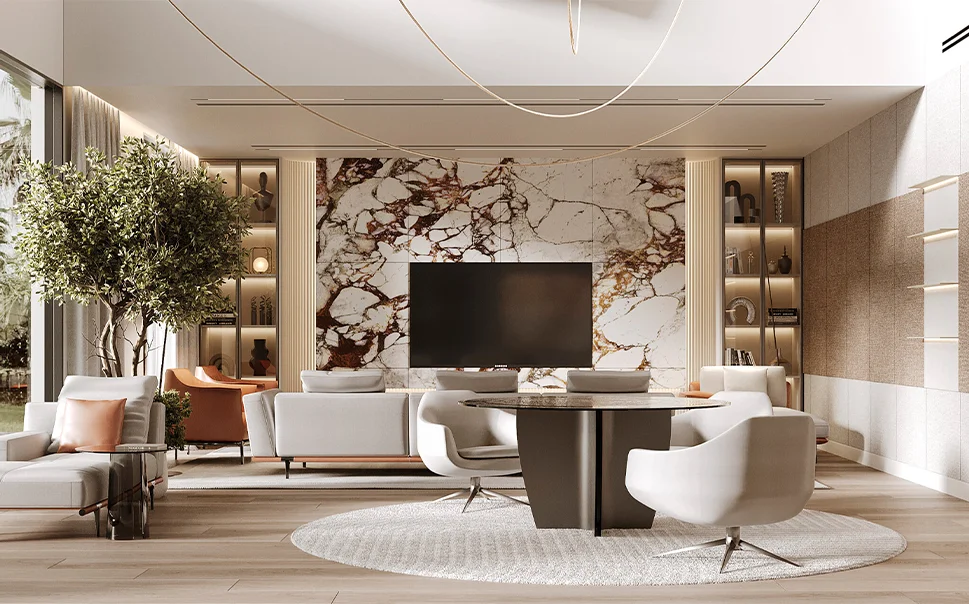
As Italian luxury furniture design evolves, there is a clear shift toward distinctive materials, with open-pored marble and richly textured wood creating a luxurious, organic feel. Contrasts between textures and finishes further enhance sophistication, adding depth and visual intrigue. This interplay defines modern Italian luxury furniture, blending timeless appeal with a curated touch.
Market overview
1. High-End Residential Projects
The global demand for luxury furniture is on the rise, particularly in North America and Asia-Pacific, where affluent clients invest heavily in high-end interiors. Leading cities such as New York, London, and Dubai are at the forefront of this trend, with high-net-worth individuals seeking unique, elegant furnishings that define luxury living.
Italian brands, celebrated for their craftsmanship and timeless designs, have become staples in these markets. Brands like Versace Home, Poliform, and Flexform provide exclusive pieces that not only stand out individually but also offer an unparalleled experience of refined living.
2. Design Innovation
In the realm of Italian luxury furniture design, a dynamic interplay exists among designers like Donatella Versace, Giorgio Armani, and Jean-Marie Massaud, each infusing their distinct aesthetic into the industry. Versace Home is known for its opulence and glamor, reflecting the brand’s fashion-forward ethos. In contrast, Armani/Casa exemplifies minimalist elegance, utilizing refined materials to create sophisticated pieces. Meanwhile, Massaud’s collaborations with brands such as Poliform emphasize simplicity and sustainability, resulting in functional yet stylish designs. This creative rivalry not only enriches the market but also offers consumers a wide array of styles that seamlessly blend aesthetics with functionality.